How High Heels Affect the Way You Walk

Wearing high heels can change the way a person walks by shifting body weight forward and placing extra pressure on the front of the foot. This altered position affects normal walking gait, which is the pattern of movement used when taking steps. The heel is lifted, causing shorter strides and reduced balance, while the knees and hips may bend more to compensate. This can strain muscles, tendons, and joints in the feet and ankles. Increased pressure on the forefoot may lead to pain, calluses, and deformities such as bunions. A podiatrist can evaluate gait through a detailed exam, and may use imaging tests to assess alignment and joint stress. Treatment may include custom orthotics, padding to reduce pressure, and guidance on supportive footwear to improve walking mechanics and reduce discomfort. If you have foot pain after wearing high heels, it is suggested that you schedule an appointment with a podiatrist for a diagnosis and appropriate treatment.

High heels have a history of causing foot and ankle problems. If you have any concerns about your feet or ankles, contact one of our podiatrists from Mercer Ocean Podiatry. Our doctor can provide the care you need to keep you pain-free and on your feet.

Effects of High Heels on the Feet

High heels are popular shoes among women because of their many styles and societal appeal.  Despite this, high heels can still cause many health problems if worn too frequently.

Which Parts of My Body Will Be Affected by High Heels?

  • Ankle Joints
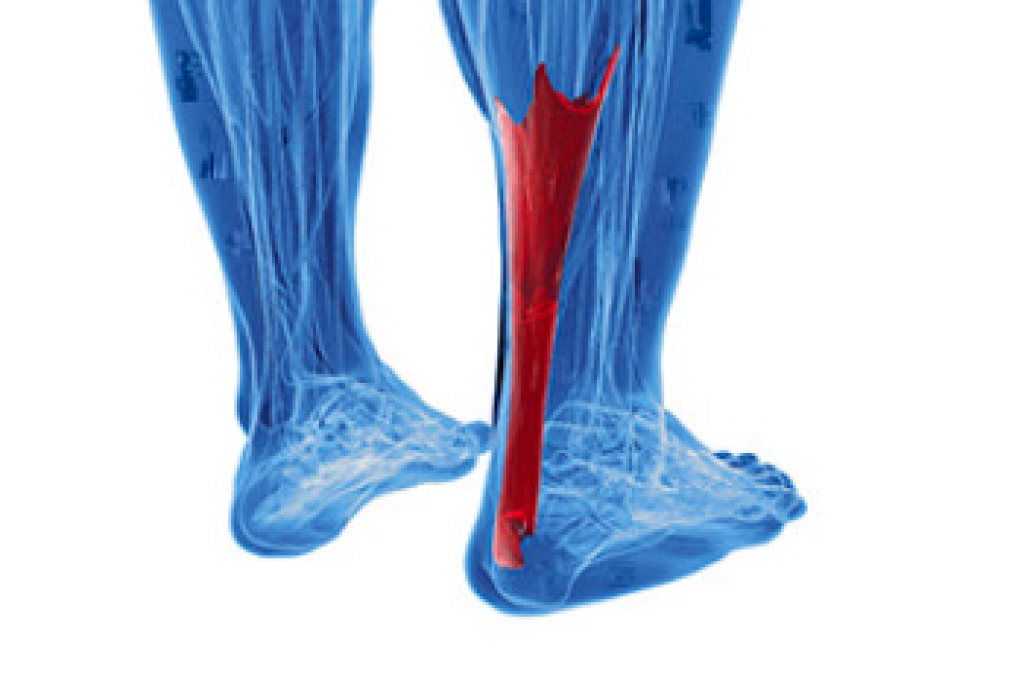
  • Achilles Tendon – May shorten and stiffen with prolonged wear
  • Balls of the Feet
  • Knees – Heels cause the knees to bend constantly, creating stress on them
  • Back – They decrease the spine’s ability to absorb shock, which may lead to back pain.  The vertebrae of the lower back may compress.

What Kinds of Foot Problems Can Develop from Wearing High Heels?

  • Corns
  • Calluses
  • Hammertoe
  • Bunions
  • Morton’s Neuroma
  • Plantar Fasciitis

How Can I Still Wear High Heels and Maintain Foot Health?

If you want to wear high heeled shoes, make sure that you are not wearing them every day, as this will help prevent long term physical problems.  Try wearing thicker heels as opposed to stilettos to distribute weight more evenly across the feet.  Always make sure you are wearing the proper shoes for the right occasion, such as sneakers for exercising.  If you walk to work, try carrying your heels with you and changing into them once you arrive at work.  Adding inserts to your heels can help cushion your feet and absorb shock. Full foot inserts or metatarsal pads are available. 

If you have any questions, please feel free to contact our office located in Toms River, NJ . We offer the newest diagnostic and treatment technologies for all your foot care needs.

Read more about Why High Heels Are Not Ideal for Healthy Feet

What Can Cause Swelling in a Toe?

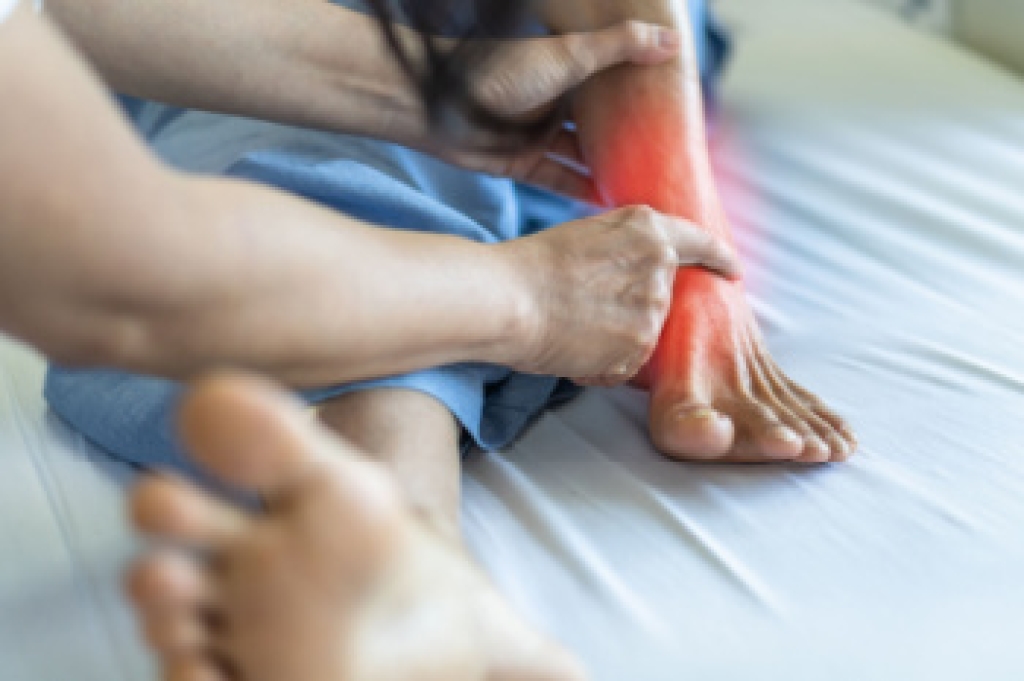
Swelling in a toe can develop when fluid builds up in the surrounding tissue because of injury, inflammation, infection, or joint disease. A swollen toe may appear enlarged, red, shiny, or tender. Some patients notice warmth, stiffness, or difficulty bending the toe. Pain can range from mild soreness to severe throbbing, especially when pressure is applied while walking or wearing shoes. Common causes include fractures, gout, and arthritis. Ingrown toenails or poor circulation that allows fluid to collect in the area are other factors. Swelling may occur suddenly after trauma, while other conditions develop more gradually. A podiatrist can examine the toe, evaluate joint movement and circulation, and determine the source of the swelling. Treatment depends on the underlying cause. Options include wearing protective footwear, medication, or drainage of fluid. Imaging studies may be ordered to assess damage to the bone or joint. If you have a swollen toe or fluid build-up, it is suggested that you schedule an appointment with a podiatrist for appropriate relief solutions.

Toe pain can disrupt your daily activities. If you have any concerns, contact one of our podiatrists of Mercer Ocean Podiatry. Our doctor can provide the care you need to keep you pain-free and on your feet.

What Causes Toe Pain?

Most severe toe pain is caused due to a sports injury, trauma from dropping something heavy on the toe, or bumping into something rigid. Other problems can develop over time for various reasons.

Toe pain can be caused by one or more ailments. The most common include:

  • Trauma
  • Sports injury
  • Wearing shoes that are too tight
  • Arthritis
  • Gout
  • Corns and calluses
  • Hammertoe
  • Bunions
  • Blisters
  • Ingrown toenails
  • Sprains
  • Fractures (broken bones)
  • Dislocations

When to See a Podiatrist

  • Severe pain
  • Persistent pain that lasts more than a week
  • Signs of infection
  • Continued swelling
  • Pain that prevents walking

Diagnosis

In many cases the cause of toe pain is obvious, but in others, a podiatrist may want to use more advanced methods to determine the problem. These can range from simple visual inspections and sensation tests to X-rays and MRI scans. Prior medical history, family medical history, and any recent physical traumatic events will all be taken into consideration for a proper diagnosis.

Treatment

Treatments for toe pain and injuries vary and may include shoe inserts, padding, taping, medicines, injections, and in some cases, surgery. If you believe that you have broken a toe, please see a podiatrist as soon as possible.

If you have any questions please contact our office located in Toms River, NJ . We offer the newest diagnostic and treatment technologies for all your foot and ankle needs.

Read more about Toe Pain

How Wearing the Wrong Shoes Can Lead to Foot Problems

Wearing the wrong shoes can place unnecessary stress on the feet and lead to a variety of uncomfortable conditions. Bunions may develop when tight shoes push the big toe out of alignment, creating a painful bony bump. Athlete’s foot is a fungal infection that thrives in warm, damp footwear, and can cause itching and peeling skin. Ingrown toenails can occur when shoes crowd the toes, causing the nail to grow into the surrounding skin. Additionally, corns can develop from repeated pressure and friction, leading to thickened areas of skin. A podiatrist can evaluate these issues, provide effective treatment, and recommend proper footwear to prevent future problems. If you have any type of foot pain, it is suggested that you consult a podiatrist who can treat various foot and ankle conditions and guide you on the correct shoes to wear.

Foot Pain

Foot pain can be extremely painful and debilitating. If you have a foot pain, consult with one of our podiatrists from Mercer Ocean Podiatry. Our doctor will assess your condition and provide you with quality foot and ankle treatment.

Causes

Foot pain is a very broad condition that could be caused by one or more ailments. The most common include:

  • Bunions
  • Hammertoes
  • Plantar Fasciitis
  • Bone Spurs
  • Corns
  • Tarsal Tunnel Syndrome
  • Ingrown Toenails
  • Arthritis (such as Gout, Rheumatoid, and Osteoarthritis)
  • Flat Feet
  • Injury (from stress fractures, broken toe, foot, ankle, Achilles tendon ruptures, and sprains)
  • And more

Diagnosis

To figure out the cause of foot pain, podiatrists utilize several different methods. This can range from simple visual inspections and sensation tests to X-rays and MRI scans. Prior medical history, family medical history, and any recent physical traumatic events will all be taken into consideration for a proper diagnosis.

Treatment

Treatment depends upon the cause of the foot pain. Whether it is resting, staying off the foot, or having surgery; podiatrists have a number of treatment options available for foot pain.

If you have any questions, please feel free to contact our office located in Toms River, NJ . We offer the newest diagnostic and treatment technologies for all your foot care needs.

Read more about Foot Pain

Plantar Warts Can Be Treated!

Plantar warts are small growths that develop on parts of the feet that bear weight. They're typically found on the bottom of the foot. Don't live with plantar warts, and call us today!

Daily Foot Care for People With Diabetes

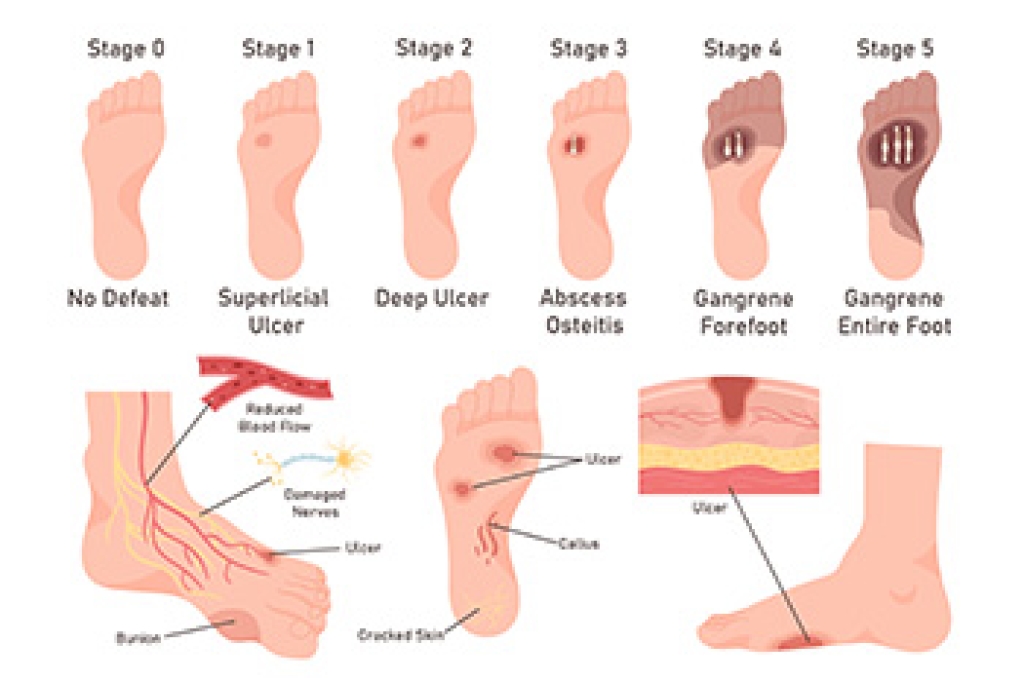
Caring for your feet is important when you have diabetes, as small problems can become serious, if not noticed early. High blood sugar can affect nerves and circulation, making it harder to feel injuries and slower for wounds to heal. Checking your feet each day for cuts, redness, or swelling can help catch issues early. Keeping the skin clean and dry, along with trimming nails carefully, can reduce the risk of infection. Wearing properly fitting shoes is also important to prevent pressure points and blisters. Some people may not feel developing problems at all, which makes routine foot care visits especially important. A podiatrist can provide regular exams, manage nail and skin conditions, and identify concerns before they become severe. If you have diabetes and reduced sensation or notice slow-healing wounds, it is suggested that you seek care from a podiatrist.

Diabetic foot care is important in preventing foot ailments such as ulcers. If you are suffering from diabetes or have any other concerns about your feet, contact one of our podiatrists from Mercer Ocean Podiatry. Our doctor can provide the care you need to keep you pain-free and on your feet.

Diabetic Foot Care

Diabetes affects millions of people every year. The condition can damage blood vessels in many parts of the body, especially the feet. Because of this, taking care of your feet is essential if you have diabetes, and having a podiatrist help monitor your foot health is highly recommended.

The Importance of Caring for Your Feet

  • Routinely inspect your feet for bruises or sores.
  • Wear socks that fit your feet comfortably.
  • Wear comfortable shoes that provide adequate support.

Patients with diabetes should have their doctor monitor their blood levels, as blood sugar levels play such a huge role in diabetic care. Monitoring these levels on a regular basis is highly advised.

It is always best to inform your healthcare professional of any concerns you may have regarding your feet, especially for diabetic patients. Early treatment and routine foot examinations are keys to maintaining proper health, especially because severe complications can arise if proper treatment is not applied.

If you have any questions, please feel free to contact our office located in Toms River, NJ . We offer the newest diagnostic and treatment technologies for all your foot care needs.

Read more about Diabetic Foot Conditions

Connect With Us

Advanced Podiatric Procedures & Services in the Mercer County, NJ: Hamilton (Trenton, Windsor, Lawrence Township, Ewing Township, Broad Street Park, Groveville, Robbinsville Twp, Pennington, Rosedale, Princeton), Ocean County, NJ: Toms River (Beachwood, Berkeley Township, Lacey Township, Ocean Twp, Anchorage, Brick Township, Seaside Heights, Lavallette, Barnegat Township, Manchester Township, Lakehurst) and Middlesex County, NJ: Plainsboro Township (Cranbury, Deans, South Brunswick Township, Applegarth, Monroe Township, Jamesburg, Helmetta, Spotswood) areas