
When Heel Pain May Be Plantar Fasciitis

Plantar fasciitis is one of the most common causes of heel pain. It affects the plantar fascia, a strong band of tissue that runs along the bottom of the foot and connects the heel bone to the toes. This tissue helps support the arch and absorbs stress during walking. When it becomes irritated or inflamed, pain can develop, especially near the heel. Many people notice sharp discomfort with their first steps after getting out of bed or after sitting for a long period of time. The pain may improve with movement but often returns after standing or walking for extended periods of time. Because heel pain can have several causes, a professional evaluation is important to determine whether plantar fasciitis is responsible for the symptoms.


Several factors may increase the risk of developing plantar fasciitis. These include prolonged standing, repeated stress from physical activity, and foot mechanics that place extra strain on the plantar fascia. Carrying excess body weight may also increase pressure on the feet. Ongoing irritation can make daily activities more difficult and change the way a person walks. This altered movement may place additional stress on the ankle, knee, or hip. A comprehensive podiatry examination helps identify the source of heel pain while evaluating foot structure, movement, and overall function. Early diagnosis allows treatment to begin before symptoms become more persistent or interfere with normal mobility.


A podiatrist specializes in diagnosing and treating plantar fasciitis while evaluating the overall health of the feet. Professional care focuses on relieving heel pain, improving foot function, and reducing stress on the plantar fascia. Treatment is tailored to each patient's symptoms, activity level, and foot structure. Regular follow-up visits also allow recovery to be monitored and treatment plans to be adjusted as needed. If you have consistent heel pain or discomfort on the bottom of your foot, it is suggested that you consult a podiatrist for an evaluation and appropriate treatment options.

Plantar fasciitis is a common foot condition that is often caused by a strain injury. If you are experiencing heel pain or symptoms of plantar fasciitis, contact one of our podiatrists from Mercer Ocean Podiatry. Our doctor can provide the care you need to keep you pain-free and on your feet.

What Is Plantar Fasciitis?

Plantar fasciitis is one of the most common causes of heel pain. The plantar fascia is a ligament that connects your heel to the front of your foot. When this ligament becomes inflamed, plantar fasciitis is the result. If you have plantar fasciitis you will have a stabbing pain that usually occurs with your first steps in the morning. As the day progresses and you walk around more, this pain will start to disappear, but it will return after long periods of standing or sitting.

What Causes Plantar Fasciitis?

  • Excessive running
  • Having high arches in your feet
  • Other foot issues such as flat feet
  • Pregnancy (due to the sudden weight gain)
  • Being on your feet very often

There are some risk factors that may make you more likely to develop plantar fasciitis compared to others. The condition most commonly affects adults between the ages of 40 and 60. It also tends to affect people who are obese because the extra pounds result in extra stress being placed on the plantar fascia.

Prevention

  • Take good care of your feet – Wear shoes that have good arch support and heel cushioning.
  • Maintain a healthy weight
  • If you are a runner, alternate running with other sports that won’t cause heel pain

There are a variety of treatment options available for plantar fasciitis along with the pain that accompanies it. Additionally, physical therapy is a very important component in the treatment process. It is important that you meet with your podiatrist to determine which treatment option is best for you.

If you have any questions, please feel free to contact our office located in Toms River, NJ . We offer the newest diagnostic and treatment technologies for all your foot care needs.
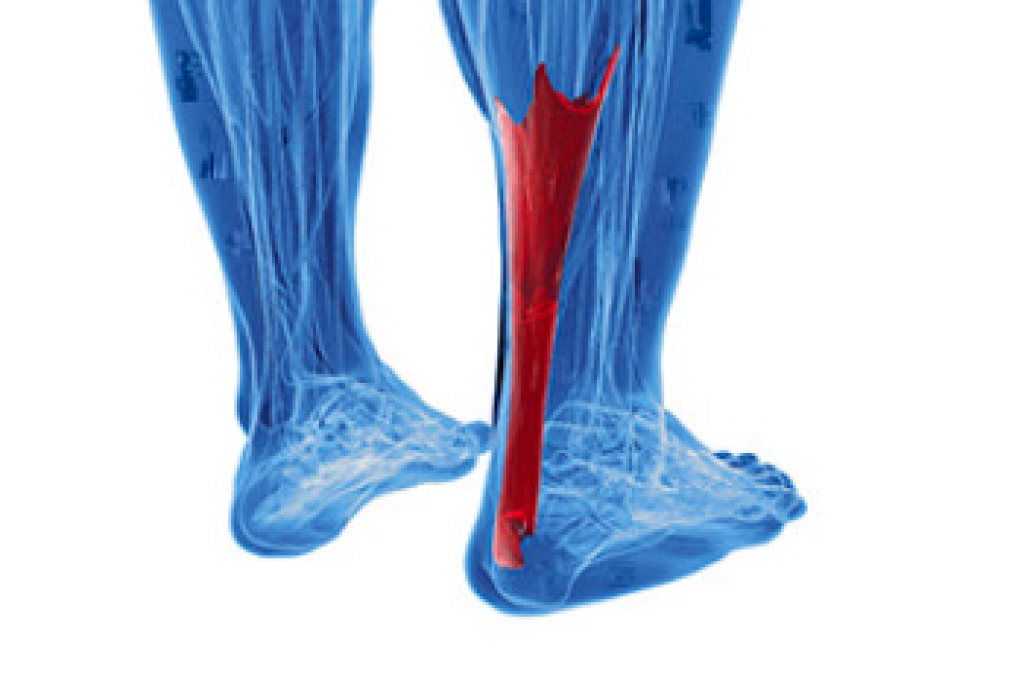

 

Read more about Plantar Fasciitis

Understanding Foot Pain and How the Feet Move

Foot pain can affect the way a person stands, walks, and completes daily activities. Pain can occur in different areas, including the toes, forefoot, and back part of the foot. Foot structure and the way the foot moves can also play a role in discomfort. A low-arched foot, sometimes called a flat foot, has a lower inner arch when bearing weight. Another pattern involves the foot rolling inward more than expected while walking. Research involving more than 3,000 people found associations between certain foot structures and foot pain. The findings showed that low-arched foot posture was associated with arch pain in men, while inward-rolling foot function was associated with general foot pain and heel pain in men. These findings show that foot shape and movement can be important factors when evaluating foot discomfort.

A podiatrist can evaluate foot structure, movement, and areas of pain to help determine factors that contribute to symptoms. The examination can consider how the feet function while standing and walking. It can also assess whether changes in foot movement place added stress on certain areas. Podiatric care can include gait evaluation, assessment of foot alignment, and treatment designed to support normal foot function. Care can be tailored to the location and cause of the pain. Wearing footwear that provides proper support can also be considered when foot structure or movement contributes to discomfort. In some cases, supportive devices may be used to help modify foot function. The goal is to reduce stress on painful areas and support comfortable movement during daily activities.

Foot pain can have many contributing factors, so the shape of the foot alone does not explain every case. Age, weight, and other foot conditions can also influence symptoms. Pain that continues or affects normal movement deserves evaluation. A podiatrist can identify changes in foot structure and function and develop care based on the specific symptoms. Understanding how the foot moves can also help guide treatment and support better function. Research suggests that modifying abnormal foot posture or movement can have a role in managing foot pain. If you have foot pain, it is suggested that you schedule an appointment with a podiatrist for a diagnosis and appropriate treatment.

Foot Pain

Foot pain can be extremely painful and debilitating. If you have a foot pain, consult with one of our podiatrists from Mercer Ocean Podiatry. Our doctor will assess your condition and provide you with quality foot and ankle treatment.

Causes

Foot pain is a very broad condition that could be caused by one or more ailments. The most common include:

  • Bunions
  • Hammertoes
  • Plantar Fasciitis
  • Bone Spurs
  • Corns
  • Tarsal Tunnel Syndrome
  • Ingrown Toenails
  • Arthritis (such as Gout, Rheumatoid, and Osteoarthritis)
  • Flat Feet
  • Injury (from stress fractures, broken toe, foot, ankle, Achilles tendon ruptures, and sprains)
  • And more

Diagnosis

To figure out the cause of foot pain, podiatrists utilize several different methods. This can range from simple visual inspections and sensation tests to X-rays and MRI scans. Prior medical history, family medical history, and any recent physical traumatic events will all be taken into consideration for a proper diagnosis.

Treatment

Treatment depends upon the cause of the foot pain. Whether it is resting, staying off the foot, or having surgery; podiatrists have a number of treatment options available for foot pain.

If you have any questions, please feel free to contact our office located in Toms River, NJ . We offer the newest diagnostic and treatment technologies for all your foot care needs.

Read more about Foot Pain

Are Bunions Affecting Your Everyday Life?

Have you noticed a bony protrusion on the side of your big toe? If so, you may have developed the foot condition known as a bunion. Don't let bunions interfere with your daily activities.

Ingrown Toenails and Podiatry Care

An ingrown toenail develops when the edge of a toenail grows into the surrounding skin instead of over it. This condition most often affects the big toe and can become increasingly painful if left untreated. Common causes include trimming the nails improperly, wearing tight-fitting shoes, and injuries to the toe. As the nail continues to press into the skin, it may cause redness, swelling, and tenderness. Some people also notice drainage or signs of infection if bacteria enter the irritated area. Because other toe conditions can produce similar symptoms, a professional evaluation is important to identify the problem and recommend the most appropriate treatment.


As an ingrown toenail worsens, everyday activities such as walking or exercising may become uncomfortable. Continued pressure on the affected toe can increase inflammation and make it difficult to wear normal footwear. In some cases, the surrounding skin may become infected, leading to increased pain and delayed healing. Certain individuals, including those with diabetes or poor circulation, may have a greater risk of developing complications. A thorough examination helps determine the severity of the condition and whether additional treatment is needed. Early diagnosis can reduce discomfort and help prevent the problem from becoming more serious.


A podiatrist specializes in diagnosing and treating ingrown toenails while addressing the underlying cause of the condition. Professional care focuses on relieving pain, reducing inflammation, and preventing future complications. A podiatrist also evaluates the shape of the nail and surrounding tissue to determine the most appropriate treatment plan for each patient. Early podiatry care may help protect the toe from worsening symptoms and support a faster return to comfortable daily activities. If you are experiencing toe pain, swelling, or signs of an ingrown toenail, it is suggested that you consult a podiatrist for an evaluation and appropriate treatment options.

Ingrown toenails may initially present themselves as a minor discomfort, but they may progress into an infection in the skin without proper treatment. For more information about ingrown toenails, contact one of our podiatrists of Mercer Ocean Podiatry. Our doctor can provide the care you need to keep you pain-free and on your feet.

Ingrown Toenails

Ingrown toenails are caused when the corner or side of a toenail grows into the soft flesh surrounding it. They often result in redness, swelling, pain, and in some cases, infection. This condition typically affects the big toe and may recur if it is not treated properly.

Causes

  • Improper toenail trimming
  • Genetics
  • Improper shoe fitting
  • Injury from pedicures or nail picking
  • Abnormal gait
  • Poor hygiene

You are more likely to develop an ingrown toenail if you are obese, have diabetes, arthritis, or have any fungal infection in your nails. Additionally, people who have foot or toe deformities are at a higher risk of developing an ingrown toenail.

Symptoms

Some symptoms of ingrown toenails are redness, swelling, and pain. In rare cases, there may be a yellowish drainage coming from the nail.

Treatment

Ignoring an ingrown toenail can have serious complications. Infections of the nail border can progress to a deeper soft-tissue infection, which can then turn into a bone infection. You should always speak with your podiatrist if you suspect you have an ingrown toenail, especially if you have diabetes or poor circulation.

If you have any questions, please feel free to contact our office located in Toms River, NJ . We offer the newest diagnostic and treatment technologies for all your foot care needs.

Read more about Ingrown Toenails

Facts About Diabetic Foot Neuropathy

Diabetic foot neuropathy is a nerve related condition that develops as a result of prolonged high blood glucose levels. It occurs when elevated sugar levels damage the nerves, particularly in the feet, leading to reduced sensation and impaired function. This condition is a common complication of diabetes and can affect balance, mobility, and overall foot health. Because the nerves are responsible for transmitting signals, any disruption can prevent the body from recognizing pain or injury, increasing the risk of serious complications.

Symptoms of diabetic foot neuropathy often begin gradually and may include tingling, burning sensations, numbness, and a feeling of pins and needles in the feet. Some individuals experience sharp or shooting pain, while others notice a loss of sensitivity to temperature or touch. This reduced sensation can make it difficult to detect cuts, blisters, or pressure points. As the condition progresses, muscle weakness and changes in foot shape may occur, further increasing the risk of injury and infection.


The primary cause of diabetic neuropathy is uncontrolled high blood glucose, which damages the small blood vessels that supply the nerves. Risk factors include long term diabetes, poor blood sugar management, smoking, and reduced circulation. Individuals with a history of foot problems or those who are overweight may also face a higher risk. These factors contribute to nerve damage over time, making early detection and consistent care essential for preventing complications.


Managing diabetic foot neuropathy involves controlling blood glucose levels and protecting the feet from injury. Regular foot examinations, wearing proper footwear, and daily hygiene play a key role in prevention. Medical treatment may include medications to manage nerve pain and improve function. Early intervention can reduce the risk of ulcers and infections. If you have symptoms of neuropathy from diabetes, it is suggested that you are under the care of a podiatrist who can offer relief and management tips.

Neuropathy

Neuropathy can be a potentially serious condition, especially if it is left undiagnosed. If you have any concerns that you may be experiencing nerve loss in your feet, consult with one of our podiatrists from Mercer Ocean Podiatry. Our doctor will assess your condition and provide you with quality foot and ankle treatment for neuropathy.

What Is Neuropathy?

Neuropathy is a condition that leads to damage to the nerves in the body. Peripheral neuropathy, or neuropathy that affects your peripheral nervous system, usually occurs in the feet. Neuropathy can be triggered by a number of different causes. Such causes include diabetes, infections, cancers, disorders, and toxic substances.

Symptoms of Neuropathy Include:

  • Numbness
  • Sensation loss
  • Prickling and tingling sensations
  • Throbbing, freezing, burning pains
  • Muscle weakness

Those with diabetes are at serious risk due to being unable to feel an ulcer on their feet. Diabetics usually also suffer from poor blood circulation. This can lead to the wound not healing, infections occurring, and the limb may have to be amputated.

Treatment

To treat neuropathy in the foot, podiatrists will first diagnose the cause of the neuropathy. Figuring out the underlying cause of the neuropathy will allow the podiatrist to prescribe the best treatment, whether it be caused by diabetes, toxic substance exposure, infection, etc. If the nerve has not died, then it’s possible that sensation may be able to return to the foot.

Pain medication may be issued for pain. Electrical nerve stimulation can be used to stimulate nerves. If the neuropathy is caused from pressure on the nerves, then surgery may be necessary.

If you have any questions, please feel free to contact our office located in Toms River, NJ . We offer the newest diagnostic and treatment technologies for all your foot care needs.

Read more about Neuropathy

Connect With Us

Advanced Podiatric Procedures & Services in the Mercer County, NJ: Hamilton (Trenton, Windsor, Lawrence Township, Ewing Township, Broad Street Park, Groveville, Robbinsville Twp, Pennington, Rosedale, Princeton), Ocean County, NJ: Toms River (Beachwood, Berkeley Township, Lacey Township, Ocean Twp, Anchorage, Brick Township, Seaside Heights, Lavallette, Barnegat Township, Manchester Township, Lakehurst) and Middlesex County, NJ: Plainsboro Township (Cranbury, Deans, South Brunswick Township, Applegarth, Monroe Township, Jamesburg, Helmetta, Spotswood) areas