
Signs of a Broken Ankle

A broken ankle, also known as an ankle fracture, occurs when one or more bones forming the ankle joint break. The ankle includes the lower ends of the leg bones, which connect with a bone in the foot to support movement and stability. Ankle fractures often result from sudden twisting injuries, falls, or direct impact. These injuries may occur during sports or everyday activities, particularly when the foot lands awkwardly. The severity of a broken ankle depends on the number of bones involved and whether the broken pieces remain properly aligned. Some fractures involve a small crack, while others cause significant damage to the ankle joint.


Symptoms of a broken ankle often include severe pain, swelling, and bruising around the injured area. Some individuals experience immediate difficulty standing or placing weight on the affected foot. The ankle may appear unusually shaped when the bones have shifted out of position. Tenderness around the joint and limited movement are also common. Although ankle sprains and fractures share similar symptoms, a broken ankle involves damage to the bone rather than only the supporting ligaments. In certain cases, individuals remain able to walk despite having a fracture. This makes a professional evaluation important after a significant ankle injury. Without appropriate treatment, an ankle fracture may lead to ongoing discomfort or problems with joint stability.


A podiatrist evaluates a suspected ankle fracture by examining the injured area and assessing swelling, tenderness, and joint position. X-rays are commonly used to confirm the fracture and determine its severity. Treatment depends on the location and alignment of the broken bones. Stable fractures may require immobilization with a cast or walking boot, while more complex injuries sometimes require surgery. Follow-up examinations help monitor healing and restore ankle function. If you are experiencing severe ankle pain or swelling after an injury, it is suggested that you seek prompt podiatric evaluation and appropriate treatment.

Broken ankles need immediate treatment. If you are seeking treatment, contact one of our podiatrists from Mercer Ocean Podiatry. Our doctor can provide the care you need to keep you pain-free and on your feet. 

Broken Ankles
A broken ankle is experienced when a person fractures their tibia or fibula in the lower leg and ankle area. Both of these bones are attached at the bottom of the leg and combine to form what we know to be our ankle.

When a physician is referring to a break of the ankle, he or she is usually referring to a break in the area where the tibia and fibula are joined to create our ankle joint. Ankles are more prone to fractures because the ankle is an area that suffers a lot of pressure and stress. There are some obvious signs when a person experiences a fractured ankle, and the following symptoms may be present.

Symptoms of a Fractured Ankle

  • Excessive pain when the area is touched or when any pressure is placed on the ankle
  • Swelling around the area
  • Bruising of the area
  • Area appears to be deformed

If you suspect an ankle fracture, it is recommended to seek treatment as soon as possible. The sooner you have your podiatrist diagnose the fracture, the quicker you’ll be on the way towards recovery.

If you have any questions, please feel free to contact our office located in Toms River, NJ . We offer the newest diagnostic and treatment technologies for all your foot care needs.

Read more about Broken Ankle Causes, Differences, Symptoms and Treatments

Healthy Feet Through Every Stage of Aging

Keeping your feet healthy as you age can make them more comfortable and help you stay active. Aging can change the skin, muscles, and circulation. These changes may increase the chance of common foot problems. Wearing supportive shoes and having good hygiene helps protect foot health. Paying attention to changes in pain, swelling, or walking comfort is important. Early attention to foot problems can make them easier to manage.

Bunions and hammertoes are common concerns. A bunion is a bony bump that forms at the base of the big toe as the top of the toe moves toward the others. Hammertoe is a deformity that causes one or more smaller toes to bend downward at a joint instead of lying flat. Risk factors include age, family history, and wearing shoes that cause pressure on the toes. Arthritis can contribute to stiffness and deformity. Symptoms may include aching, redness, or difficulty wearing shoes.

Healthy habits can lower the chance of worsening foot problems. Wash and dry your feet each day between the toes. Moisturize dry skin, but avoid lotion between the toes. Choose shoes with enough room for your toes and a stable sole. Additionally, trim toenails and inspect your feet daily for blisters, cuts, or pressure spots. If pain develops, avoid pushing through it. A podiatrist can examine your feet, assess your walking pattern, and identify problems needing treatment.

Treatment depends on the cause and severity of the problem. A podiatrist may recommend footwear changes, padding, or medication. For bunions or hammertoes that remain painful, surgery may be considered when other options fail. Regular follow-up can help track changes and protect mobility. If you are aging and noticing foot pain or new deformities, it is suggested that you consult a podiatrist for effective relief, treatment, and management solutions.

Proper foot care is something many older adults forget to consider. If you have any concerns about your feet and ankles, contact one of our podiatrists from Mercer Ocean Podiatry. Our doctor can provide the care you need to keep you pain-free and on your feet.

The Elderly and Their Feet

As we age we start to notice many changes in our body, but the elder population may not notice them right away. Medical conditions may prevent the elderly to take notice of their foot health right away. Poor vision is a lead contributor to not taking action for the elderly.

Common Conditions 

  • Neuropathy – can reduce feeling in the feet and can hide many life-threatening medical conditions.
  • Reduced flexibility – prevents the ability of proper toenail trimming, and foot cleaning. If left untreated, it may lead to further medical issues.
  • Foot sores – amongst the older population can be serious before they are discovered. Some of the problematic conditions they may face are:
  • Gouging toenails affecting nearby toe
  • Shoes that don’t fit properly
  • Pressure sores
  • Loss of circulation in legs & feet
  • Edema & swelling of feet and ankles

Susceptible Infections

Diabetes and poor circulation can cause general loss of sensitivity over the years, turning a simple cut into a serious issue.

If you have any questions, please feel free to contact our office located in Toms River, NJ . We offer the newest diagnostic and treatment technologies for all your foot care needs.

Read more about Elderly Foot Care

Protecting the Achilles Tendon in Ballet Dancers

Ballet dancers place demands on the feet and ankles, which can make Achilles tendon injuries a concern. The Achilles tendon connects the calf muscles to the heel and helps the foot push off during movement. An injury can cause pain, stiffness, or swelling near the back of the ankle. Symptoms may become more noticeable during jumps, pointe work, or repeated movements.

Overuse is a common cause of Achilles tendon problems in ballet dancers. Rehearsing for long hours, increasing training too quickly, or repeating demanding movements can place stress on the tendon. Poor technique, limited calf flexibility, and wearing unsupportive footwear may also increase risk. Previous Achilles problems can make another injury more likely. Pain should not be ignored because dancing is part of a routine.

Finding relief starts with giving the tendon time to recover. Refrain from dancing until pain and swelling have improved and a podiatrist has advised a return. Rest may help reduce discomfort during the early stage. Adhesive strapping may provide support when recommended by a podiatrist. During an evaluation, a podiatrist will examine the ankle, discuss training habits, and check tendon function. Imaging tests may be ordered when a serious injury is suspected. Treatment can include activity changes, wearing supportive footwear, or other measures based on the injury.

Returning to ballet should be gradual rather than rushed. A podiatrist can help determine when dancing may safely resume and how to reduce stress on the Achilles tendon. Dancers should pay attention to recurring stiffness or pain after practice because these symptoms may signal continued irritation. Taking breaks and addressing symptoms early can help protect foot and ankle health. If you are a ballet dancer and have sustained an Achilles tendon injury, it is suggested that you consult a podiatrist for effective relief and treatment solutions.

Achilles tendon injuries need immediate attention to avoid future complications. If you have any concerns, contact one of our podiatrists of Mercer Ocean Podiatry. Our doctor can provide the care you need to keep you pain-free and on your feet.

What Is the Achilles Tendon?

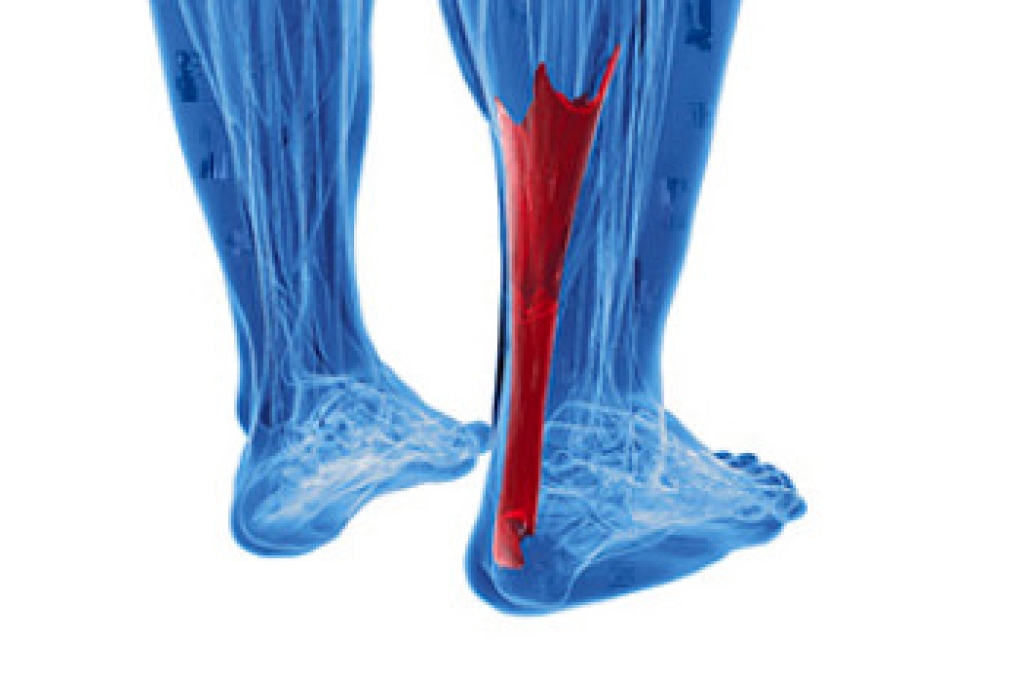
The Achilles tendon is a tendon that connects the lower leg muscles and calf to the heel of the foot. It is the strongest tendon in the human body and is essential for making movement possible. Because this tendon is such an integral part of the body, any injuries to it can create immense difficulties and should immediately be presented to a doctor.

What Are the Symptoms of an Achilles Tendon Injury?

There are various types of injuries that can affect the Achilles tendon. The two most common injuries are Achilles tendinitis and ruptures of the tendon.

Achilles Tendinitis Symptoms

  • Inflammation
  • Dull to severe pain
  • Increased blood flow to the tendon
  • Thickening of the tendon

Rupture Symptoms

  • Extreme pain and swelling in the foot
  • Total immobility

Treatment and Prevention

Achilles tendon injuries are diagnosed by a thorough physical evaluation, which can include an MRI. Treatment involves rest, physical therapy, and in some cases, surgery. However, various preventative measures can be taken to avoid these injuries, such as:

  • Thorough stretching of the tendon before and after exercise
  • Strengthening exercises like calf raises, squats, leg curls, leg extensions, leg raises, lunges, and leg presses

If you have any questions please feel free to contact our office located in Toms River, NJ . We offer the newest diagnostic tools and technology to treat your foot and ankle needs.

Read more about The Causes, Types, and Treatments of Achilles Tendon Injuries

Are You Suffering From Ingrown Toenails?

If left untreated, an ingrown toenail can lead to more serious concerns, such as an infection. Knowing proper nail care can help in the prevention of an ingrown toenail. Give us a call, and get treated!

Dealing With Chronic Instability in the Ankles

Chronic ankle instability causes the ankle to repeatedly feel weak, wobbly, or ready to give way. The problem usually affects the outer side of the ankle and can occur while walking, exercising, or simply standing. It frequently begins after one or more ankle sprains. A sprain stretches or tears the ligaments, which are strong bands of tissue that support the joint. When an injury does not heal fully, the ankle can remain loose and poorly controlled. Symptoms include ongoing discomfort, swelling, and tenderness. The ankle may keep turning on uneven ground or while playing sports.

Each new sprain can further weaken or stretch the injured ligaments. This creates a cycle of repeated injury and increasing instability. Damage can also affect balance and the ankle muscles that help control movement. This can limit exercise, work duties, and other daily activities. Without proper care, chronic instability can contribute to cartilage damage and ankle arthritis. A podiatrist will ask about earlier injuries and when the ankle gives way. The examination includes checking swelling, tender areas, and joint movement. The podiatrist may also assess strength and balance. X-rays can reveal bone injuries or arthritis, while other imaging tests can show ligament or cartilage damage.

Treatment depends on the degree of instability, test results, and the patient’s activity level. A podiatrist can provide an ankle brace to support the joint and help prevent another sprain. A guided exercise plan can improve strength, balance, and control. Custom orthotics may improve foot alignment and help the ankle move more steadily. Early evaluation can protect the joint from repeated injuries and support a safer return to activity. If you frequently experience the feeling that your ankle is giving way, it is suggested that you schedule an appointment with a podiatrist for a diagnosis and appropriate treatment.

Ankle pain can have many different causes and the pain may potentially be serious. If you have ankle pain, consult with one of our podiatrists from Mercer Ocean Podiatry. Our doctor will assess your condition and provide you with quality foot and ankle treatment.

Ankle pain is any condition that causes pain in the ankle. Due to the fact that the ankle consists of tendons, muscles, bones, and ligaments, ankle pain can come from a number of different conditions.

Causes

The most common causes of ankle pain include:

  • Types of arthritis (rheumatoid, osteoarthritis, and gout)
  • Ankle sprains
  • Broken ankles
  • Achilles tendinitis
  • Achilles tendon rupture
  • Stress fractures
  • Tarsal tunnel syndrome
  • Plantar fasciitis

Symptoms

Symptoms of ankle injury vary based upon the condition. Pain may include general pain and discomfort, swelling, aching, redness, bruising, burning or stabbing sensations, and/or loss of sensation.

Diagnosis

Due to the wide variety of potential causes of ankle pain, podiatrists will utilize a number of different methods to properly diagnose ankle pain. This can include asking for personal and family medical histories and of any recent injuries. Further diagnosis may include sensation tests, a physical examination, and potentially x-rays or other imaging tests.

Treatment

Just as the range of causes varies widely, so do treatments. Some more common treatments are rest, ice packs, keeping pressure off the foot, orthotics and braces, medication for inflammation and pain, and surgery.

If you have any questions please feel free to contact our office located in Toms River, NJ . We offer the newest diagnostic tools and technology to treat your foot and ankle needs.

Read more about Ankle Pain

Connect With Us

Advanced Podiatric Procedures & Services in the Mercer County, NJ: Hamilton (Trenton, Windsor, Lawrence Township, Ewing Township, Broad Street Park, Groveville, Robbinsville Twp, Pennington, Rosedale, Princeton), Ocean County, NJ: Toms River (Beachwood, Berkeley Township, Lacey Township, Ocean Twp, Anchorage, Brick Township, Seaside Heights, Lavallette, Barnegat Township, Manchester Township, Lakehurst) and Middlesex County, NJ: Plainsboro Township (Cranbury, Deans, South Brunswick Township, Applegarth, Monroe Township, Jamesburg, Helmetta, Spotswood) areas