Hammertoes That Involve Ligament Changes

A hammertoe can develop when the soft tissues that guide toe movement stop working together the way they should. In some cases this includes a ligament in the foot that becomes overly tight or loses its normal support, causing the toe to lift at the middle joint and settle into a curved position. When this happens, the toe may feel stiff, sore, or crowded in a shoe because its alignment no longer matches the surrounding toes. The skin can become irritated from rubbing, and pressure points may form that make walking uncomfortable. Addressing the problem depends on how rigid the toe has become and how much the involved ligament is influencing the deformity. A podiatrist can examine the toe, review how the ligament is functioning, and suggest options such as shoe adjustments, protective padding, inserts, or procedures that correct the underlying cause. If the toe is becoming painful or harder to move, it is suggested that you see a podiatrist for effective treatment solutions.

Hammertoe

Hammertoes can be a painful condition to live with. For more information, contact one of our podiatrists from Mercer Ocean Podiatry. Our doctor will answer any of your foot- and ankle-related questions.

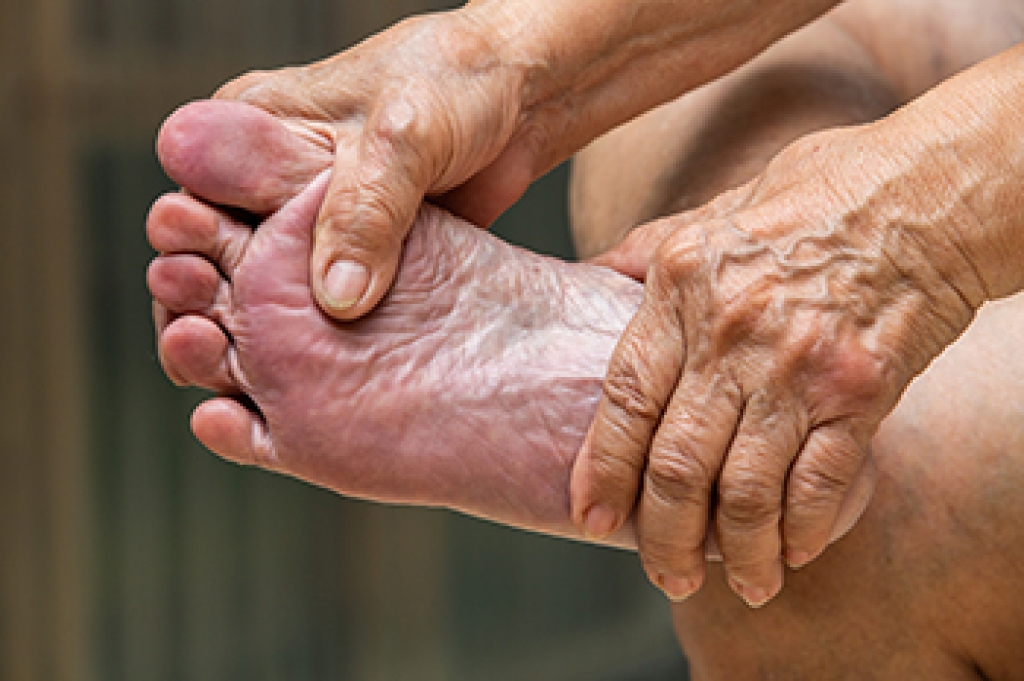
Hammertoe is a foot deformity that affects the joints of the second, third, fourth, or fifth toes of your feet. It is a painful foot condition in which these toes curl and arch up, which can often lead to pain when wearing footwear.

Symptoms

  • Pain in the affected toes
  • Development of corns or calluses due to friction
  • Inflammation
  • Redness
  • Contracture of the toes

Causes

Genetics – People who are genetically predisposed to hammertoe are often more susceptible

Arthritis – Because arthritis affects the joints in your toes, further deformities stemming from arthritis can occur

Trauma – Direct trauma to the toes could potentially lead to hammertoe

Ill-fitting shoes – Undue pressure on the front of the toes from ill-fitting shoes can potentially lead to the development of hammertoe

Treatment

Orthotics – Custom made inserts can be used to help relieve pressure placed on the toes and therefore relieve some of the pain associated with it

Medications – Oral medications such as anti-inflammatories or NSAIDs could be used to treat the pain and inflammation hammertoes causes. Injections of corticosteroids are also sometimes used

Surgery – In more severe cases where the hammertoes have become more rigid, foot surgery is a potential option

If you have any questions, please feel free to contact our office located in Toms River, NJ . We offer the newest diagnostic and treatment technologies for all your foot care needs.

Read more about What Are Hammertoes?

We Can Treat Your Foot or Ankle Pain

Foot or ankle pain can negatively affect your day-to-day life and can occur due to several different conditions. Pain can also be an indicator of a more serious underlying condition, which is why you should seek professional help as soon as you notice any abnormalities in your feet.

The Achilles Tendon and Tendinitis

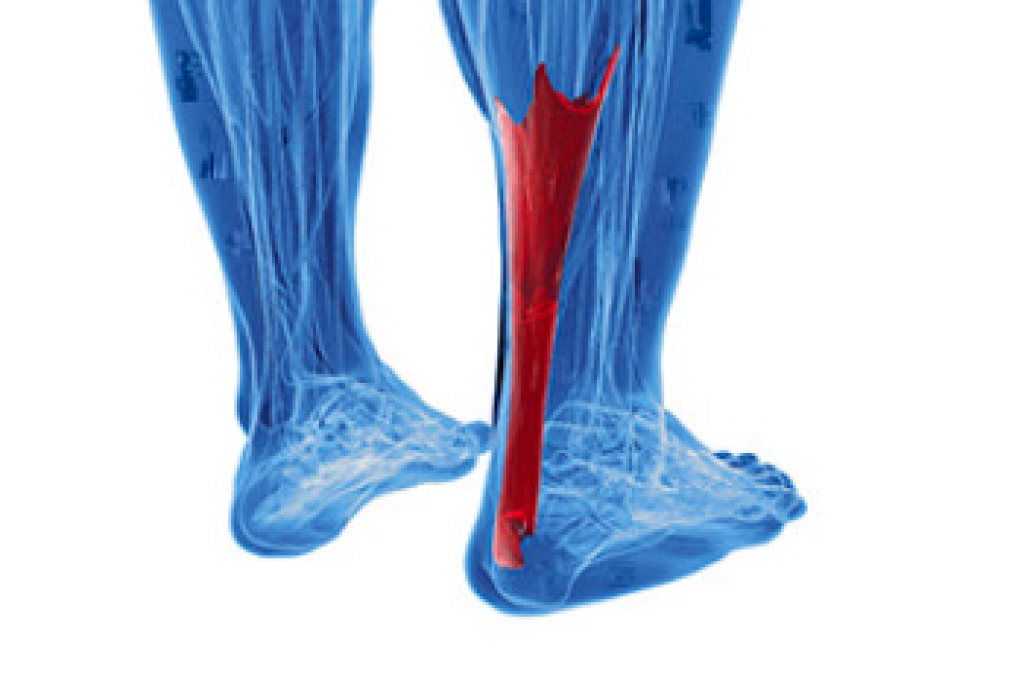
The Achilles tendon is the strong band of tissue that connects the calf muscles to the heel bone and plays a vital role in walking, running and jumping. Achilles tendinitis occurs when this tendon becomes irritated or inflamed often due to overuse, sudden increases in activity, tight calf muscles, or repetitive stress from running and jumping sports. Symptoms may include pain, stiffness, swelling, and tenderness near the back of the heel especially during movement. Without proper care the condition can worsen and interfere with daily activities. A podiatrist can help by accurately diagnosing the condition and creating a personalized treatment plan that may include activity modification, stretching therapy, footwear guidance, and supportive devices to reduce strain on the tendon. If you have heel or ankle pain, it is suggested that you consult a podiatrist who can offer effective relief and treatment solutions for what may be going on. 

Achilles tendon injuries need immediate attention to avoid future complications. If you have any concerns, contact one of our podiatrists of Mercer Ocean Podiatry. Our doctor can provide the care you need to keep you pain-free and on your feet.

What Is the Achilles Tendon?

The Achilles tendon is a tendon that connects the lower leg muscles and calf to the heel of the foot. It is the strongest tendon in the human body and is essential for making movement possible. Because this tendon is such an integral part of the body, any injuries to it can create immense difficulties and should immediately be presented to a doctor.

What Are the Symptoms of an Achilles Tendon Injury?

There are various types of injuries that can affect the Achilles tendon. The two most common injuries are Achilles tendinitis and ruptures of the tendon.

Achilles Tendinitis Symptoms

  • Inflammation
  • Dull to severe pain
  • Increased blood flow to the tendon
  • Thickening of the tendon

Rupture Symptoms

  • Extreme pain and swelling in the foot
  • Total immobility

Treatment and Prevention

Achilles tendon injuries are diagnosed by a thorough physical evaluation, which can include an MRI. Treatment involves rest, physical therapy, and in some cases, surgery. However, various preventative measures can be taken to avoid these injuries, such as:

  • Thorough stretching of the tendon before and after exercise
  • Strengthening exercises like calf raises, squats, leg curls, leg extensions, leg raises, lunges, and leg presses

If you have any questions please feel free to contact our office located in Toms River, NJ . We offer the newest diagnostic tools and technology to treat your foot and ankle needs.

Read more about Achilles Tendon Injuries

Fall Prevention Tips at Work

Falls in the workplace are a common cause of injury and can often be prevented with proper safety habits. Using the right size ladder for the task helps ensure stability and reduces overreaching. Standing on the lowest rung possible provides better balance and control while working at height. Keeping the body centered on the ladder helps maintain proper alignment and lowers the risk of tipping or slipping. Additionally, wearing supportive footwear with good traction is also important for maintaining grip and balance. A podiatrist can help by evaluating foot health, balance, and gait, as well as recommending proper shoes or custom orthotics to improve stability on the job. If you have foot or ankle pain from falling at work, it is suggested that you consult a podiatrist who can treat various foot conditions, and offer additional fall prevention tips.

Preventing falls among the elderly is very important. If you are older and have fallen or fear that you are prone to falling, consult with one of our podiatrists from Mercer Ocean Podiatry. Our doctor will assess your condition and provide you with quality advice and care.

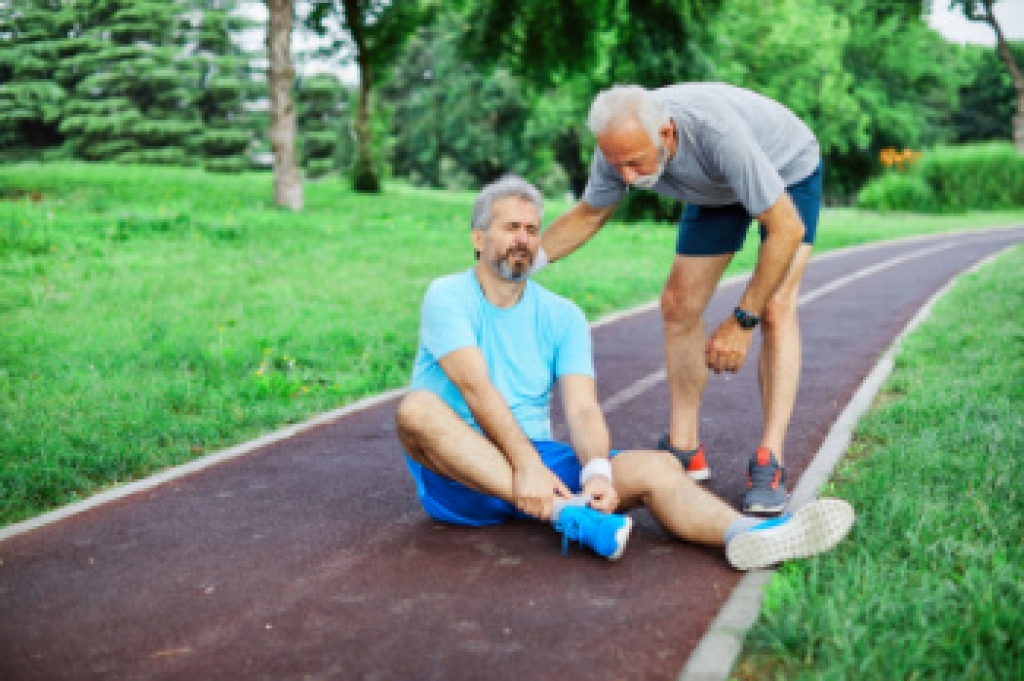
Every 11 seconds, an elderly American is being treated in an emergency room for a fall related injury. Falls are the leading cause of head and hip injuries for those 65 and older. Due to decreases in strength, balance, senses, and lack of awareness, elderly persons are very susceptible to falling. Thankfully, there are a number of things older persons can do to prevent falls.

How to Prevent Falls

Some effective methods that older persons can do to prevent falls include:

  • Enrolling in strength and balance exercise program to increase balance and strength
  • Periodically having your sight and hearing checked
  • Discuss any medications you have with a doctor to see if it increases the risk of falling
  • Clearing the house of falling hazards and installing devices like grab bars and railings
  • Utilizing a walker or cane
  • Wearing shoes that provide good support and cushioning
  • Talking to family members about falling and increasing awareness

Falling can be a traumatic and embarrassing experience for elderly persons; this can make them less willing to leave the house, and less willing to talk to someone about their fears of falling. Doing such things, however, will increase the likelihood of tripping or losing one’s balance. Knowing the causes of falling and how to prevent them is the best way to mitigate the risk of serious injury.  

If you have any questions, please feel free to contact our office located in Toms River, NJ . We offer the newest diagnostic and treatment technologies for all your foot care needs.
Read more about Falls Prevention

How Weight Loss Impacts Foot Structure and Health

Weight loss can have a significant effect on the structure and function of the feet. As body weight decreases, the stress on the arches, joints, and soft tissues of the feet is reduced, which can alleviate pain and improve mobility. Changes in weight can also alter gait and balance, affecting how the feet absorb shock and distribute pressure during walking or exercise. While these changes are often positive, they may also reveal underlying issues such as flat feet, bunions, or joint stiffness that were previously masked by excess weight. A podiatrist can evaluate your foot structure, recommend supportive footwear or custom orthotics, and guide exercises to maintain proper alignment. If you have foot discomfort during or after weight loss, it is suggested that you consult a podiatrist who can offer effective relief solutions.

The more you weigh, the harder your feet must work to support your body. If you’re an obese individual and are concerned about your feet, contact one of our podiatrists from Mercer Ocean Podiatry. Our doctor can provide the care you need to keep you pain-free and on your feet.

Obesity and Your Feet

People who are overweight are putting more pressure on their ankles, knees, and hips as well as their feet. This unfortunately can lead to variety of different issues.

Problems & Complications Stemming from Obesity

  • When the body is overweight, it tries to compensate by changing the way that it moves. An obese person may lean forward and put extra weight on the wrong part of the foot. This puts unnecessary stress on the feet.
  • Obese people are also more likely to develop type II diabetes which is a condition that causes a lot of foot problems. People with diabetes often don’t feel the cuts and sores that they may have on their feet, which can lead to more complicated and severe issues.
  • Plantar fasciitis is another foot condition that can be caused by obesity. Plantar fasciitis is an inflammation of the tissue along the bottom of the foot, which causes pain and stiffness while walking and climbing stairs.

If you have any questions please contact our office located in Toms River, NJ . We offer the newest diagnostic and treatment technologies for all your foot and ankle needs.

Read more about Obesity and the Feet

Connect With Us