
Dealing With Chronic Instability in the Ankles

Chronic ankle instability causes the ankle to repeatedly feel weak, wobbly, or ready to give way. The problem usually affects the outer side of the ankle and can occur while walking, exercising, or simply standing. It frequently begins after one or more ankle sprains. A sprain stretches or tears the ligaments, which are strong bands of tissue that support the joint. When an injury does not heal fully, the ankle can remain loose and poorly controlled. Symptoms include ongoing discomfort, swelling, and tenderness. The ankle may keep turning on uneven ground or while playing sports.

Each new sprain can further weaken or stretch the injured ligaments. This creates a cycle of repeated injury and increasing instability. Damage can also affect balance and the ankle muscles that help control movement. This can limit exercise, work duties, and other daily activities. Without proper care, chronic instability can contribute to cartilage damage and ankle arthritis. A podiatrist will ask about earlier injuries and when the ankle gives way. The examination includes checking swelling, tender areas, and joint movement. The podiatrist may also assess strength and balance. X-rays can reveal bone injuries or arthritis, while other imaging tests can show ligament or cartilage damage.

Treatment depends on the degree of instability, test results, and the patient’s activity level. A podiatrist can provide an ankle brace to support the joint and help prevent another sprain. A guided exercise plan can improve strength, balance, and control. Custom orthotics may improve foot alignment and help the ankle move more steadily. Early evaluation can protect the joint from repeated injuries and support a safer return to activity. If you frequently experience the feeling that your ankle is giving way, it is suggested that you schedule an appointment with a podiatrist for a diagnosis and appropriate treatment.

Ankle pain can have many different causes and the pain may potentially be serious. If you have ankle pain, consult with one of our podiatrists from Mercer Ocean Podiatry. Our doctor will assess your condition and provide you with quality foot and ankle treatment.

Ankle pain is any condition that causes pain in the ankle. Due to the fact that the ankle consists of tendons, muscles, bones, and ligaments, ankle pain can come from a number of different conditions.

Causes

The most common causes of ankle pain include:

  • Types of arthritis (rheumatoid, osteoarthritis, and gout)
  • Ankle sprains
  • Broken ankles
  • Achilles tendinitis
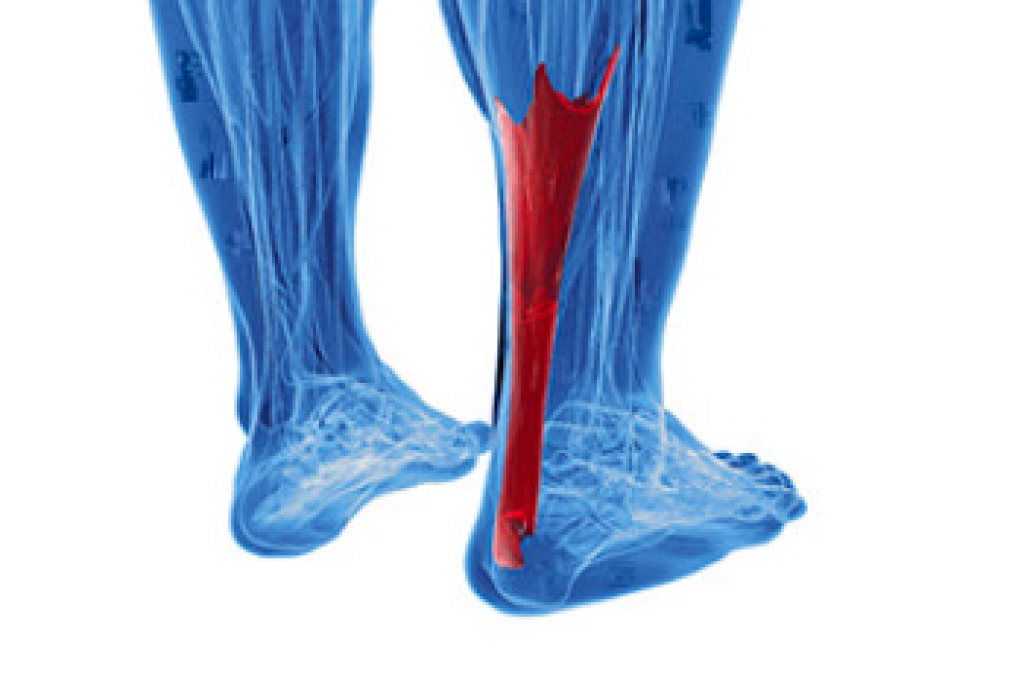
  • Achilles tendon rupture
  • Stress fractures
  • Tarsal tunnel syndrome
  • Plantar fasciitis

Symptoms

Symptoms of ankle injury vary based upon the condition. Pain may include general pain and discomfort, swelling, aching, redness, bruising, burning or stabbing sensations, and/or loss of sensation.

Diagnosis

Due to the wide variety of potential causes of ankle pain, podiatrists will utilize a number of different methods to properly diagnose ankle pain. This can include asking for personal and family medical histories and of any recent injuries. Further diagnosis may include sensation tests, a physical examination, and potentially x-rays or other imaging tests.

Treatment

Just as the range of causes varies widely, so do treatments. Some more common treatments are rest, ice packs, keeping pressure off the foot, orthotics and braces, medication for inflammation and pain, and surgery.

If you have any questions please feel free to contact our office located in Toms River, NJ . We offer the newest diagnostic tools and technology to treat your foot and ankle needs.

Read more about Ankle Pain

Podiatric Care for Tarsal Tunnel Syndrome

Tarsal tunnel syndrome develops when the tibial nerve becomes compressed near the inside of the ankle. This nerve travels through a narrow space called the tarsal tunnel before continuing into the foot. Pressure in this area can cause pain, burning, or tingling along the sole of the foot. Some patients also experience numbness. Symptoms can become more noticeable with standing or activity. An ankle injury, a cyst, or changes in foot structure can increase pressure around the nerve. Identifying where symptoms occur can help determine whether nerve compression is involved.

A podiatrist can evaluate tarsal tunnel syndrome by examining the foot and ankle and asking about the pattern of symptoms. One examination method involves gently tapping over the tibial nerve near the inner ankle. Tingling or an electric sensation that travels into the foot can suggest irritation of the nerve. The podiatrist can assess ankle movement, foot structure, and the way a patient walks. This evaluation is important because other problems can also cause pain or numbness in the foot. Understanding the source of the symptoms helps guide an appropriate treatment plan.

Podiatric care can focus on mechanical factors that place added stress around the ankle and foot. A podiatrist can address restricted joint movement and evaluate how the lower leg affects foot mechanics. Treatment can include gentle joint mobilization, guided stretching, and strengthening exercises based on examination findings. A podiatrist can also assess movement patterns that could increase pressure around the tarsal tunnel. Persistent numbness or worsening weakness deserves careful evaluation because ongoing nerve compression can affect foot function. If you have symptoms of tarsal tunnel syndrome, it is suggested that you schedule an appointment with a podiatrist for a diagnosis and appropriate treatment.

Tarsal tunnel syndrome can be very uncomfortable to live with. If you are experiencing tarsal tunnel syndrome, contact one of our podiatrists of Mercer Ocean Podiatry. Our doctor can provide the care you need to keep you pain-free and on your feet.

Tarsal Tunnel Syndrome

Tarsal tunnel syndrome, which can also be called tibial nerve dysfunction, is an uncommon condition of misfiring peripheral nerves in the foot. The tibial nerve is the peripheral nerve in the leg responsible for sensation and movement of the foot and calf muscles. In tarsal tunnel syndrome, the tibial nerve is damaged, causing problems with movement and feeling in the foot of the affected leg.

Common Cause of Tarsal Tunnel Syndrome

  • Involves pressure or an injury, direct pressure on the tibial nerve for an extended period of time, sometimes caused by other body structures close by or near the knee.
  • Diseases that damage nerves, including diabetes, may cause tarsal tunnel syndrome.
  • At times, tarsal tunnel syndrome can appear without an obvious cause in some cases.

The Effects of Tarsal Tunnel Syndrome

  • Different sensations, an afflicted person may experience pain, tingling, burning or other unusual sensations in the foot of the affected leg.
  • The foot muscles, toes and ankle become weaker, and curling your toes or flexing your foot can become difficult.
  • If condition worsens, infections and ulcers may develop on the foot that is experiencing the syndrome.

A physical exam of the leg can help identify the presence of tarsal tunnel syndrome. Medical tests, such as a nerve biopsy, are also used to diagnose the condition. Patients may receive physical therapy and prescriptive medication. In extreme cases, some may require surgery.

If you have any questions please contact our office located in Toms River, NJ . We offer the newest diagnostic and treatment technologies for all your foot and ankle needs.

Read more about Treating Tarsal Tunnel Syndrome

Stages of Diabetic Foot Ulcers

A diabetic foot ulcer is an open sore that develops on the foot of someone with diabetes. High blood sugar can damage nerves and blood vessels, making injuries harder to notice and slower to heal. Early signs include redness, swelling, or a small blister. Other symptoms include drainage, odor, or skin color changes. Recognizing changes early can help protect the foot, support healing, and lower the risk of serious complications.

Understanding the stages of foot health can make prevention easier. A normal foot has healthy skin, good circulation, and intact sensation. An at-risk foot may have calluses, reduced sensation, or poor circulation. A foot with an ulcer has a break in the skin that needs professional evaluation. An infected foot may become increasingly red, swollen, or draining. Risk factors include diabetes, smoking, and previous wounds.


A podiatrist begins treatment by examining the wound and checking circulation, sensation, and infection. The ulcer may be measured, photographed, and carefully cleaned. Damaged tissue may be removed through debridement, when appropriate. Treatment may include wearing specialized footwear, off-loading devices, or wound dressings. If infection is present, appropriate medication may be needed. Good blood sugar management also supports healing and recovery over time.


Diabetic foot ulcers should never be ignored. Regular foot checks, wearing properly fitted footwear, and diabetes management can help lower ulcer risk. Keep feet clean and dry, avoid walking barefoot, and contact a podiatrist when you notice a wound or unusual change. Podiatric care can identify the cause, protect surrounding tissue, and support steady healing. If you have a diabetic foot ulcer, it is strongly suggested that you are under the care of a podiatrist who can help you to manage this serious condition.

Wound care is an important part in dealing with diabetes. If you have diabetes and a foot wound or would like more information about wound care for diabetics, consult with one of our podiatrists from Mercer Ocean Podiatry. Our doctor will assess your condition and provide you with quality foot and ankle treatment.

What Is Wound Care?

Wound care is the practice of taking proper care of a wound. This can range from the smallest to the largest of wounds. While everyone can benefit from proper wound care, it is much more important for diabetics. Diabetics often suffer from poor blood circulation which causes wounds to heal much slower than they would in a non-diabetic. 

What Is the Importance of Wound Care?

While it may not seem apparent with small ulcers on the foot, for diabetics, any size ulcer can become infected. Diabetics often also suffer from neuropathy, or nerve loss. This means they might not even feel when they have an ulcer on their foot. If the wound becomes severely infected, amputation may be necessary. Therefore, it is of the upmost importance to properly care for any and all foot wounds.

How to Care for Wounds

The best way to care for foot wounds is to prevent them. For diabetics, this means daily inspections of the feet for any signs of abnormalities or ulcers. It is also recommended to see a podiatrist several times a year for a foot inspection. If you do have an ulcer, run the wound under water to clear dirt from the wound; then apply antibiotic ointment to the wound and cover with a bandage. Bandages should be changed daily and keeping pressure off the wound is smart. It is advised to see a podiatrist, who can keep an eye on it.

If you have any questions please contact our office located in Toms River, NJ . We offer the newest diagnostic and treatment technologies for all your foot and ankle needs.

Read more about Wound Care

When Foot Surgery May Be Needed

Foot surgery may be considered when a painful foot problem does not improve with more conservative medical treatments. Different procedures are available because foot conditions can affect bones, joints, or soft tissues in different ways. For example, bunion surgery may be recommended when severe pain makes walking or wearing closed shoes difficult. The goal is to realign the joint and reduce pain. Surgery may also be used for hammertoes, which cause a toe to bend abnormally and may become painful when wearing shoes. The exact procedure depends on the problem and how severely it affects daily movement.


Other types of foot surgery address pain or structural problems in different areas of the foot and ankle. Fusion surgery may be performed for arthritis when damaged cartilage allows bones to rub against each other. The procedure joins certain bones together to reduce painful movement. Heel surgery may involve releasing part of the plantar fascia, a strong band of tissue connecting the toes to the heel bone. Surgery can also address damaged or poorly functioning tendons. Depending on the problem, a tendon may be shortened, lengthened, or moved to improve foot or ankle movement.


A podiatrist can evaluate ongoing foot pain and determine whether surgery may be an appropriate treatment option. The evaluation considers the location of the problem, its effect on mobility, and the specific structures involved. A podiatrist can explain available surgical procedures and help determine which approach best fits the patient's condition. Foot surgery may be considered for problems involving bunions, painful joints, or other structural concerns when earlier medical treatments have not provided enough relief. The purpose of treatment includes reducing pain and improving movement so daily activities become easier. If persistent foot pain or a structural problem is interfering with your ability to walk comfortably, it is suggested that you consult a podiatrist for an evaluation and appropriate treatment options.

Foot surgery is sometimes necessary to treat a foot ailment. To learn more, contact one of our podiatrists of Mercer Ocean Podiatry. Our doctor will assist you with all of your foot and ankle needs.

When Is Surgery Necessary?

Foot and ankle surgery is generally reserved for cases in which less invasive, conservative procedures have failed to alleviate the problem. Some of the cases in which surgery may be necessary include:

  • Removing foot deformities like bunions and bone spurs
  • Severe arthritis that has caused bone issues
  • Cosmetic reconstruction

What Types of Surgery Are There?

The type of surgery you receive will depend on the nature of the problem you have. Some of the possible surgeries include:

  • Bunionectomy for painful bunions
  • Surgical fusion for realignment of bones
  • Neuropathy decompression surgery to treat nerve damage

Benefits of Surgery

Although surgery is usually a last resort, it can provide more complete pain relief compared to non-surgical methods and may allow you to finally resume full activity.

Surgical techniques have also become increasingly sophisticated. Techniques like endoscopic surgery allow for smaller incisions and faster recovery times.

If you have any questions, please feel free to contact our office located in Toms River, NJ . We offer the newest diagnostic and treatment technologies for all your foot care needs.

Read more about Foot Surgery

Let the Expert Treat Your Ingrown Toenails

Ingrown toenails can be painful and can make wearing shoes or walking uncomfortable. Seek professional help if you believe you've developed an ingrown toenail and be treated safely. 

Connect With Us

Advanced Podiatric Procedures & Services in the Mercer County, NJ: Hamilton (Trenton, Windsor, Lawrence Township, Ewing Township, Broad Street Park, Groveville, Robbinsville Twp, Pennington, Rosedale, Princeton), Ocean County, NJ: Toms River (Beachwood, Berkeley Township, Lacey Township, Ocean Twp, Anchorage, Brick Township, Seaside Heights, Lavallette, Barnegat Township, Manchester Township, Lakehurst) and Middlesex County, NJ: Plainsboro Township (Cranbury, Deans, South Brunswick Township, Applegarth, Monroe Township, Jamesburg, Helmetta, Spotswood) areas